
At its June 2025 meeting, the Thomaston Board of Education approved a final score of 3.81 out of 4.0 for the Superintendent’s annual performance evaluation. While the public typically hears only the final number, the process behind that score is detailed and guided by board policy.
Connecticut state law requires that boards of education evaluate their superintendents annually. In Thomaston, that process is governed by Policy 2400. The policy outlines a structured evaluation framework centered on four broad categories: educational leadership, organizational management, community and board relations, and personal and professional qualities.
Each category contains specific measurable criteria, such as developing a strategic plan, managing district operations, engaging with the community, and modeling ethical leadership. Each criterion is scored on a scale from one to four. Policy encourages the superintendent to submit a “Year in Review” summary and a portfolio of work to assist the board in its evaluation. Any votes related to the evaluation or contract are made during public session.
Under Connecticut state law, superintendent contracts may not exceed three years in length. In practice, Thomaston’s superintendent has traditionally requested a one-year extension at the end of each school year. If approved, the extension would maintain a rolling three-year agreement without exceeding the legal maximum.
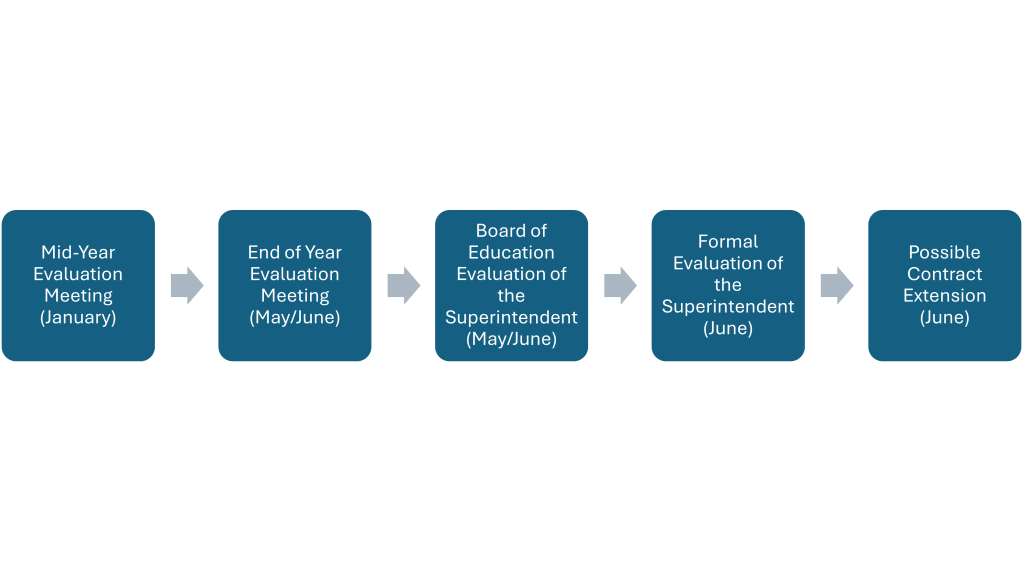
The contract extension process is also likely to include consideration of the superintendent’s compensation. In February 2024, the Board of Education voted to increase the superintendent’s salary in line with the wage increase provided to other non-union district employees. Together, the evaluation and contract renewal process form a key part of the board’s responsibility in overseeing educational leadership in the district. While much of the discussion takes place in executive session, the outcomes carry significant implications for long-term planning and public accountability.






Leave a comment